A small nonerythropoietic helix B surface peptide based upon erythropoietin structure is cardioprotective against ischemic myocardial damage
Ueba H, Brines M, Yamin M, Umemoto T, Ako J, Momomura S, Cerami A, Kawakami M. Mol Med. 2010;16(11–12):466–471. View source ↗
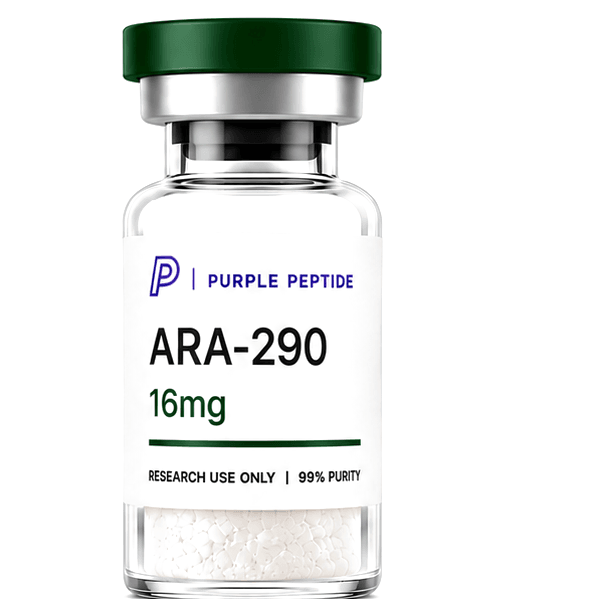
This foundational study characterized the pyroglutamate helix B surface peptide (pHBSP, later named ARA-290 / Cibinetide), an 11-amino-acid peptide derived from the aqueous face of helix B within the erythropoietin molecule. The authors confirmed that pHBSP does not bind the homodimeric EPO receptor and thus lacks hematopoietic activity, while selectively engaging the heterodimeric innate repair receptor (EPOR/β-common receptor). In a rat model of myocardial ischemia–reperfusion injury, single-dose pHBSP administration was associated with a significant reduction in infarct size compared to vehicle control. The findings supported the hypothesis that the tissue-protective signaling of EPO can be dissociated from its erythropoietic activity via short helix-B-derived peptides.
The natural hormone erythropoietin (EPO) does two things: it tells the bone marrow to make red blood cells, and it protects injured tissue from further damage. These researchers showed that those two jobs are handled by two different receptors. They designed a small 11-amino-acid peptide copied from one specific surface of the EPO molecule (helix B) and showed it only activates the tissue-protecting receptor, not the red-blood-cell receptor. In rats with simulated heart attacks, the peptide was associated with smaller areas of damaged heart tissue compared with control animals. This study established the design principle behind ARA-290.